
Blog · 13 April 2026
I shoot most of my professional work with a Canon system. Right now I work with a Canon R6 body, mostly with Sigma lenses, and among these the 35mm is the one closest to my heart. For me, this is one of the most natural focal lengths: it's close to how we actually see, it doesn't push the perspective too far, it doesn't distance you unnecessarily, it simply shows the world honestly.
So many of my important jobs, memories and favourite photos were made on this system. The Canon R6 is fast, precise, reliable, and when there's work to be done, it gives me exactly what I need.
By the summer of 2025, though, I had so much work that at some point I noticed: I was exhausted. Not because I didn't love my projects. Quite the opposite. I loved the shoots, I loved working with people, and I loved the finished material too. But at the same time a constant cycle had started: go, shoot, select, edit, deliver. Then start all over again.
It became too much. It became too fast.
It wasn't the love of photography that disappeared from me, but somewhere along the way I lost the joy that made me fall in love with it in the first place. That quiet attentiveness. That sense of discovery. That feeling when you don't just create a photo, but truly live it.
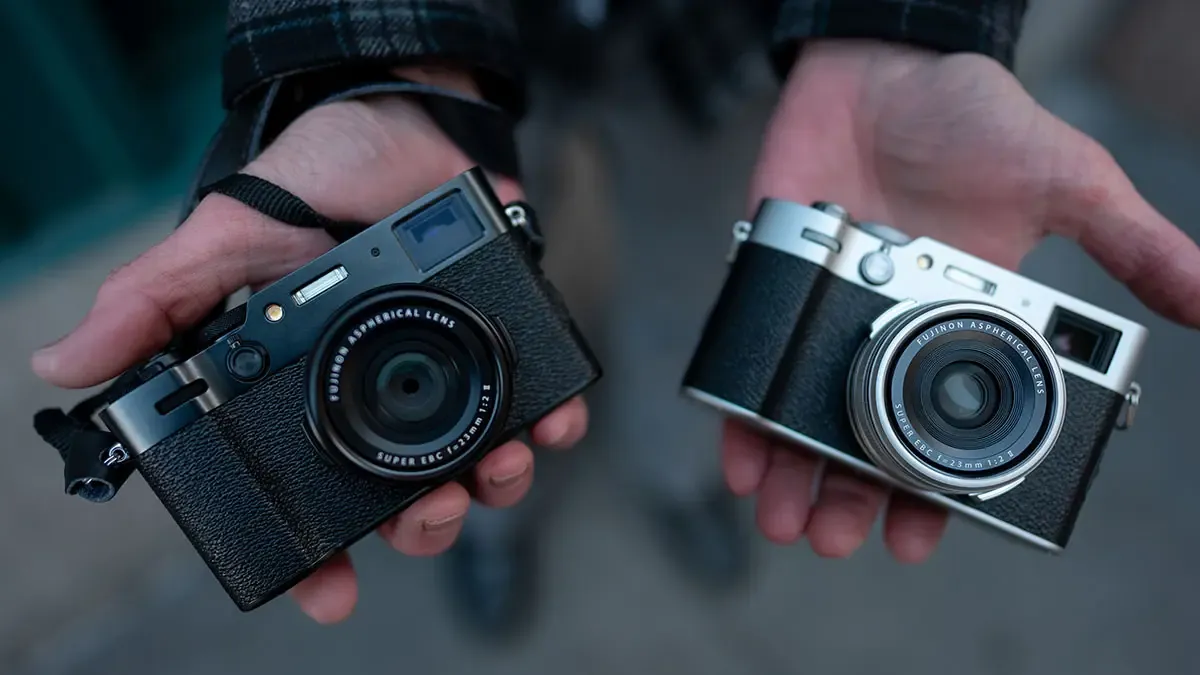
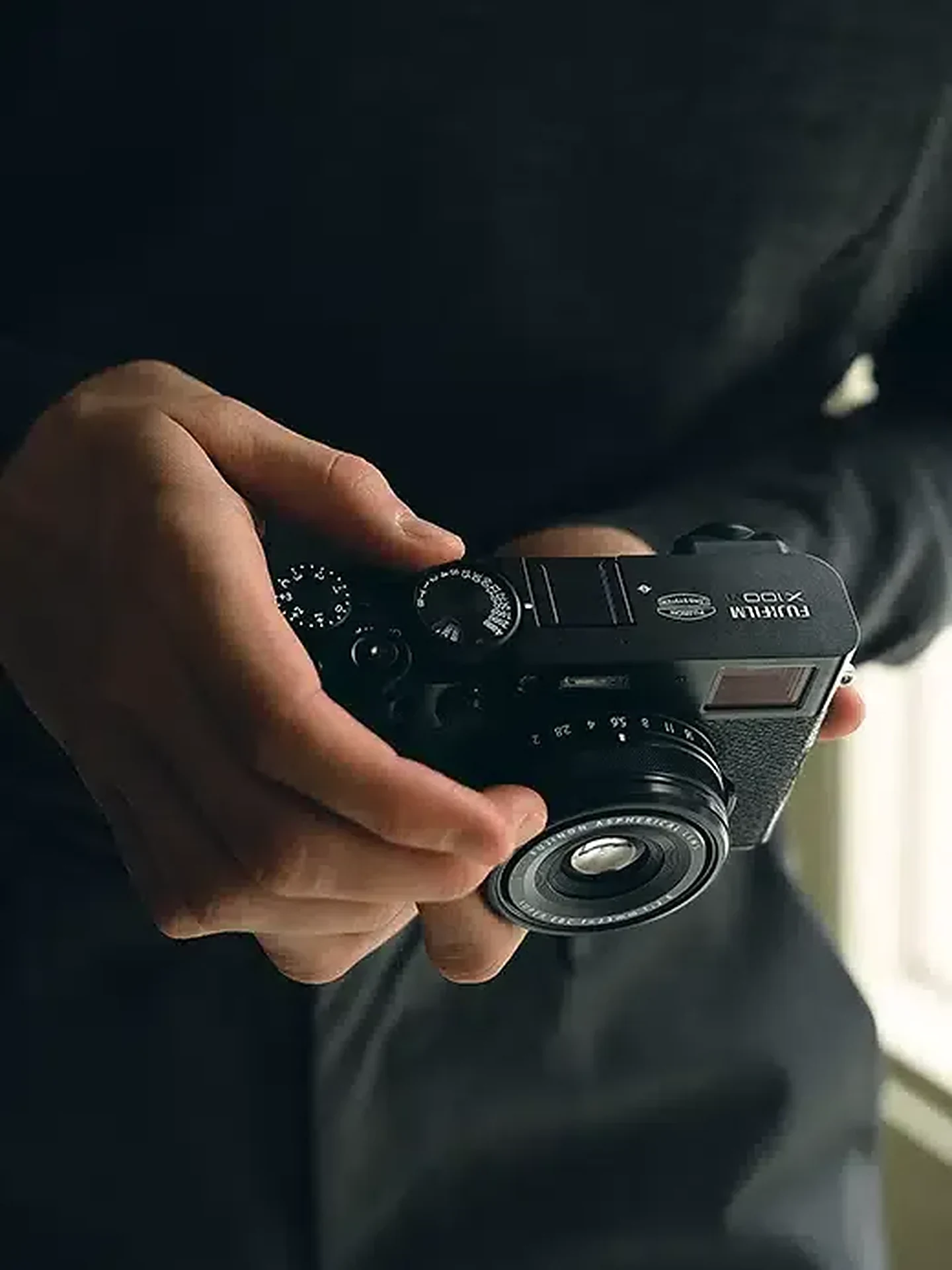
That's when the Fuji X100VI came into the picture. This camera didn't become important to me because it was better than the Canon. It's not faster, not more precise, and that's not what I expected from it either. I came to love it for exactly the opposite reason. It doesn't try to solve everything for me. It doesn't rush. It doesn't just serve you, it slows you down.
And that was exactly what I needed.
The Fuji forced me to look more carefully again. To not just react, but to see ahead. To not just click, but to see the photo first. To think through the scene, sense its mood, set it up, and only then take it. This slower way of working didn't hold me back, it brought back something very important: presence.
Part of what belongs to the Fuji world, and why so many people love it, is the preset recipes, the in-camera character, that special visual mood it can create right in the camera. For my hobby photography this often replaced post-production entirely. I simply take the photo, download it, and feel: this is done. This already works. This is already alive.
That was a liberating experience for me. When constant selecting and editing is part of your job, it's an entirely different feeling to take photos that don't just come out of the camera as raw material, but almost in their final form. This brought me closer again to that childlike joy I felt at the beginning of my photography journey.
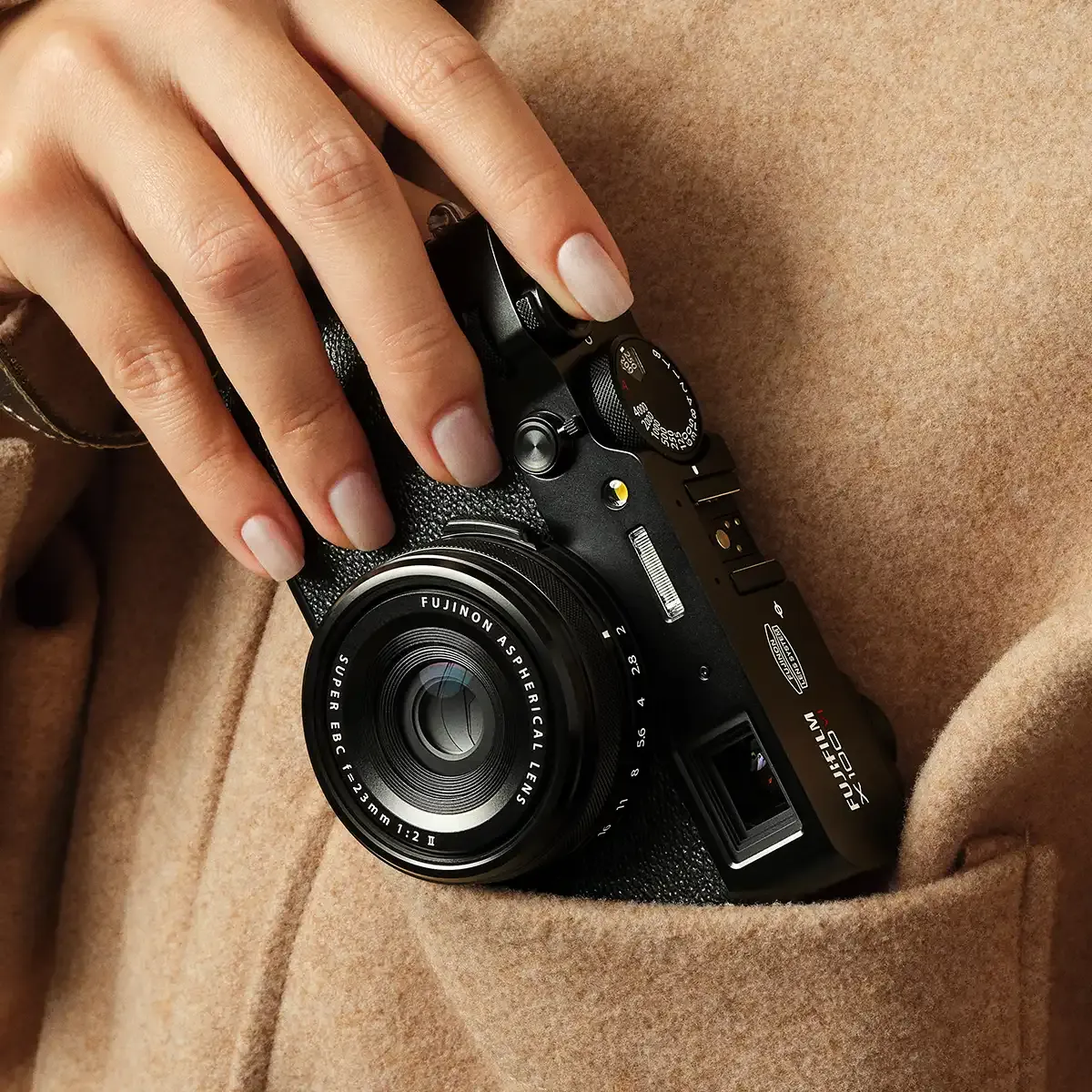
Then there's also the size of the Fuji X100VI. Small, light, pocketable, so it's with me almost all the time. I shoot with it almost every day, and it really has become part of my everyday life. Honestly, after my dachshund, it's become one of my most constant companions. And that's why it became more than just a simple second camera for me.
It's not just a tool I sometimes pick up, but something that brought spontaneity back into photography. Not just working with it, but living the whole thing again. Noticing the small lights, situations, moods that you often walk right past while rushing.
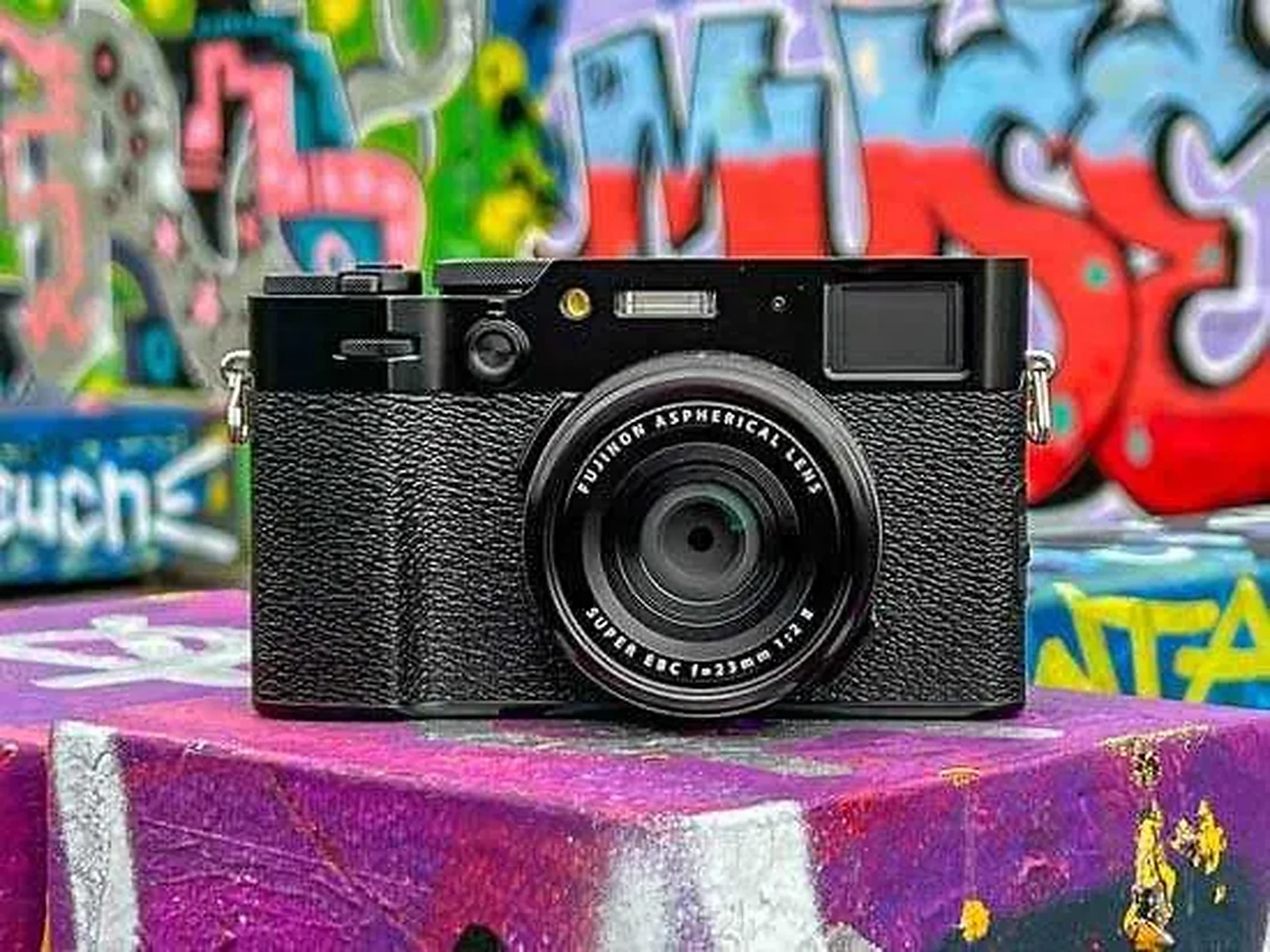
And it's a particularly exciting turn that, although it originally came to me more for my own enjoyment, today many of my professional clients specifically request this camera. There's a distinctive atmosphere that people feel in its photos. And I'm happy to work with it in these situations too. Maybe partly because it's already very close to my way of seeing. The Fuji's 23mm lens, because of the sensor size, corresponds to roughly a 35mm angle of view, meaning it gives the same natural, human-close world that I love so much on the Canon system too.
The Canon R6 is still one of my most important working tools today. Stable, fast, precise, and an incredibly reliable companion in professional situations. The Fuji X100VI, though, gave me something else. It didn't replace it, it complemented it. It didn't make me better, it brought me closer to what photography actually means to me.
Sometimes what's missing from someone's life isn't a new camera, but a different rhythm.
That's what the Fuji gave back to me.
Let's work together
Tell me about your vision and I'll find the light, the mood and the story to match it.
Request a quote